 You've likely spotted "E.P.S." displays at your local pharmacy. Increasingly, pharmacists are preparing custom magistral formulas using Standardized Plant Extracts (E.P.S.). But what are they exactly, and can you rely on them for safe, effective self-care?
These concentrated fluid extracts from fresh plants were developed in the 1990s by pharmacologist Daniel Jean. His patented Phytostandard process captures every plant component while preserving the full potency of active molecules. It starts with flash-freezing plants at -90°C and cryogrinding, followed by multi-stage hydroalcoholic extraction, then stabilization in a sugar- and alcohol-free glycerin solution.
This method follows strict protocols, including organic farming. Like medications, E.P.S. are vetted by France's National Agency for the Safety of Medicines and Health Products (ANSM) before market authorization.
Pharmacists strongly endorse E.P.S., unlike homeopathy which many view skeptically. Their training in the French Pharmacopoeia equips them to champion these extracts as complementary options for everyday issues, stress, or easing side effects of stronger treatments.
Today, 55 E.P.S. options allow tailored magistral blends for diverse needs. The lineup may expand, but approvals involve extensive scrutiny.
The current 55 plants in E.P.S. form are:
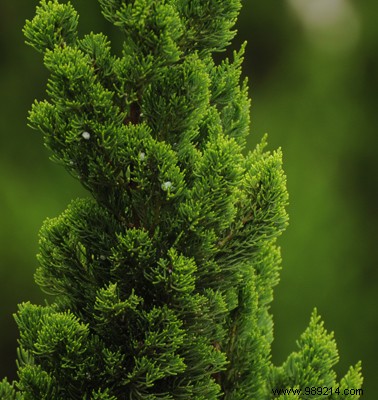
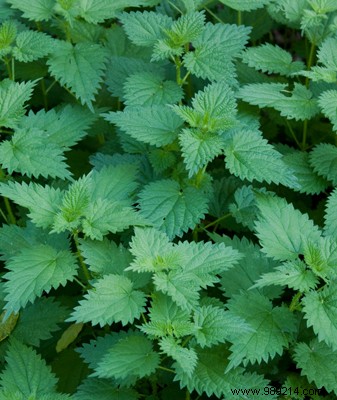
Alchemilla, Alfalfa, Artichoke, Hawthorn, Oats, Burdock, Bearberry, Cranberry, Caralluma, Blackcurrant, Milk Thistle, Turmeric, Cypress, Desmodium, Echinacea, Eschscholtzia, Fumeterre, Chasteberry, Gentian, Ginkgo biloba, Ginseng, Feverfew, Griffonia, Guarana, Witch Hazel, Hops, Horse Chestnut, Sweet Clover, Lemon Balm, St. John's Wort, Mucuna, Walnut, Olive Tree, Orthosiphon, Nettle P. A. (aerial part), Root Nettle, Passionflower, Wild Pansy, Madagascar Periwinkle, Piloselle, Pine Scots, Dandelion, Ribwort Plantain, Horsetail, Black Radish, Licorice, Meadowsweet, Rhodiola, Clary Sage, Willow, Figwort, Elderberry, Tribulus, Valerian, Red Vine.
Consult your pharmacist for advice. In Tours, I quickly found one prescribing a blend for allergic rhinitis: desmodium, blackcurrant, and plantain. Dosage: 5 ml in water, morning and evening for 6 days. After 48 hours, my symptoms—sneezing, itchy nose/palate/ears, runny/stuffy nose—completely resolved.
Books on E.P.S. are scarce, but Dr. Eric Lorrain, Grenoble physician and President of the European Institute of Plant Substances, offers excellent guidance in "100 Questions on Herbal Medicine" (La Boétie editions - €12.50).
