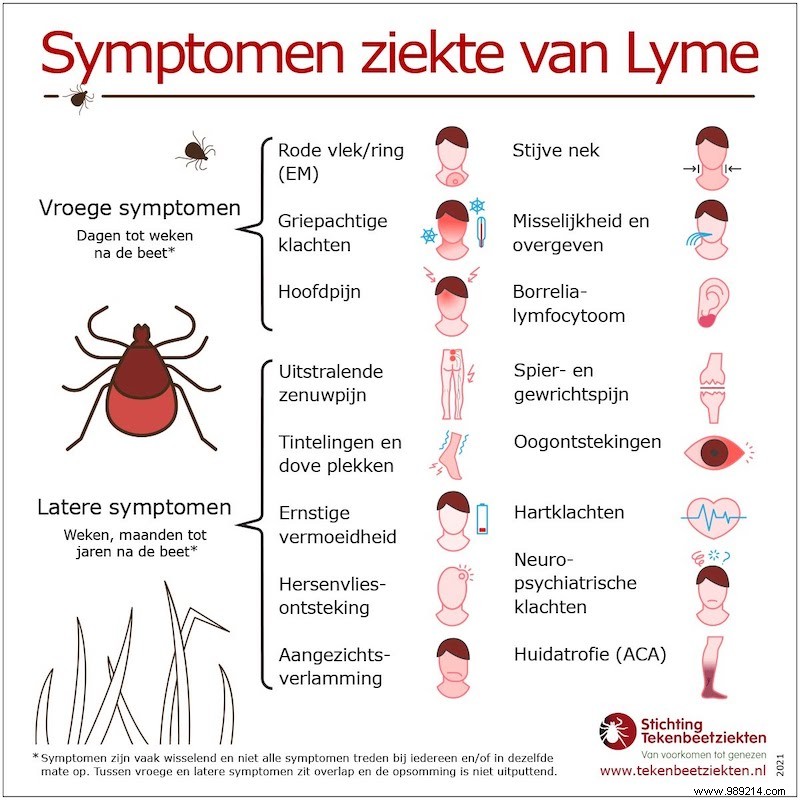
Early recognition of Lyme disease symptoms is crucial for prompt treatment, minimizing the risk of chronic issues. Delaying care allows Borrelia bacteria—the root cause—to spread, complicating recovery. During International Lyme and Tick-Borne Diseases Awareness Month in May 2013, the Tick Bite Disease Foundation highlighted these often-overlooked signs.
Most people recognize the classic erythema migrans (EM) rash—a red ring or spot—as a Lyme disease indicator after a tick bite.
However:
Stay vigilant for additional symptoms like fatigue, fever, and flu-like feelings—especially if no one around you is sick. These warrant a doctor's visit.
Prevention is key: Stick to paths, avoid bushes, wear long sleeves and pants tucked into socks, skip open shoes, and use hats for kids. Always check clothing and skin after outdoor activities. If bitten, remove the tick promptly without squeezing, twisting, or irritating it. Report every bite to your doctor for your medical record, aiding future diagnosis.
The infographic below illustrates common symptoms, which vary by individual and may appear in different combinations.