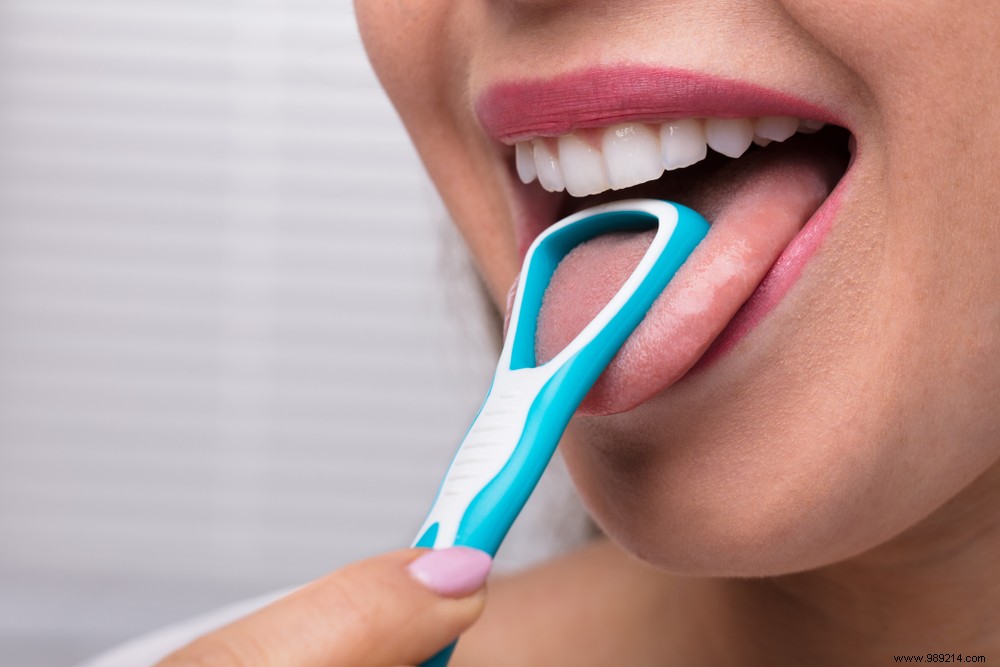
Waking up with a white coating on your tongue is common and usually harmless, easily managed at home. Yet, it can occasionally signal an underlying health issue.
From a dry mouth and sticky surface to round spots, enlarged papillae, or pus-filled bumps, several factors can cause your tongue to appear white. This often develops overnight during sleep and may or may not cause pain. Monitoring it closely is essential for your oral health.
Related reading: '4 Ways to Relieve Burnt Tongue Pain'
The leading cause of a white tongue is buildup of bacteria, dead cells, and debris on the tongue's papillae. These structures, which house your taste buds, are also found on the inner cheeks and esophagus, aiding swallowing. Poor hygiene here can lead to discoloration across these areas.
Enhance your routine to clear it up:
A dry mouth from insufficient water intake reduces saliva production. Saliva naturally flushes food particles and bacteria to your digestive system. Without it, debris lingers, forming a white film.
Indulging in cookies, candies, or excessive chewing gum and throat lozenges alters mouth pH and irritates the tongue's surface, promoting bacterial growth and white patches.
A painful white tongue persisting over time may indicate immune compromise. Normally, your body balances good and bad bacteria effectively. But if immunity falters—as in cases linked to cancer, diabetes, or HIV—harmful overgrowth occurs. Consult a doctor promptly for evaluation and testing.
Source: Today.com
