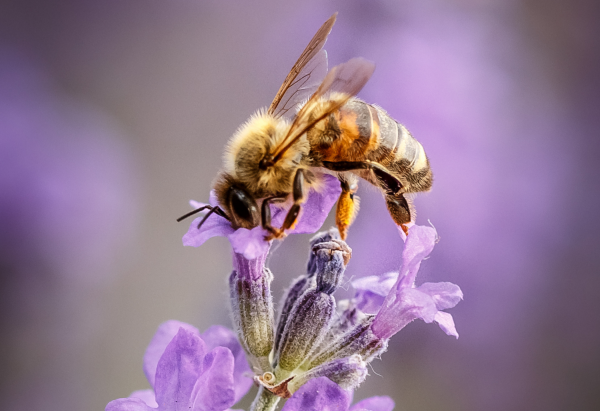
Bees face extinction risks that threaten our ecosystems. As vital pollinators, they support biodiversity and food production. These expert tips, drawn from years of gardening experience, will help make your garden or balcony a bee haven, aiding nature's balance.
Bees collect nectar and pollen from flowers, transferring pollen as they move between blooms to enable plant reproduction. Around 60-90% of flowers and plants rely on insect pollination, including 70% of crops that form the basis of our food supply. Hand-pollinating at this scale is simply impractical, underscoring bees' irreplaceable role.
Bees struggle amid shrinking natural habitats and pesticide use. Here's how to create a supportive environment:
Skip chemical sprays for aphids—instead, introduce ladybugs, which devour them, or plant basil and lavender, whose scents repel pests naturally.
Combine 20 grams of additive-free green soap, 20 milliliters of methylated spirits, and 1 liter of lukewarm water. Apply via plant sprayer to infested areas for effective, eco-friendly control.
Hang it in a sunny, south-facing sheltered spot. Bees thrive in warmth, quickly making it their home.
Provide year-round nectar with sunflowers, cosmos flowers, ivy, bergamot, and lavender. Opt for seasonal mixes from garden centers to ensure blooms from spring through fall.
Leave fallen leaves or berries undisturbed—they draw insects, including bees, fostering a thriving habitat.
