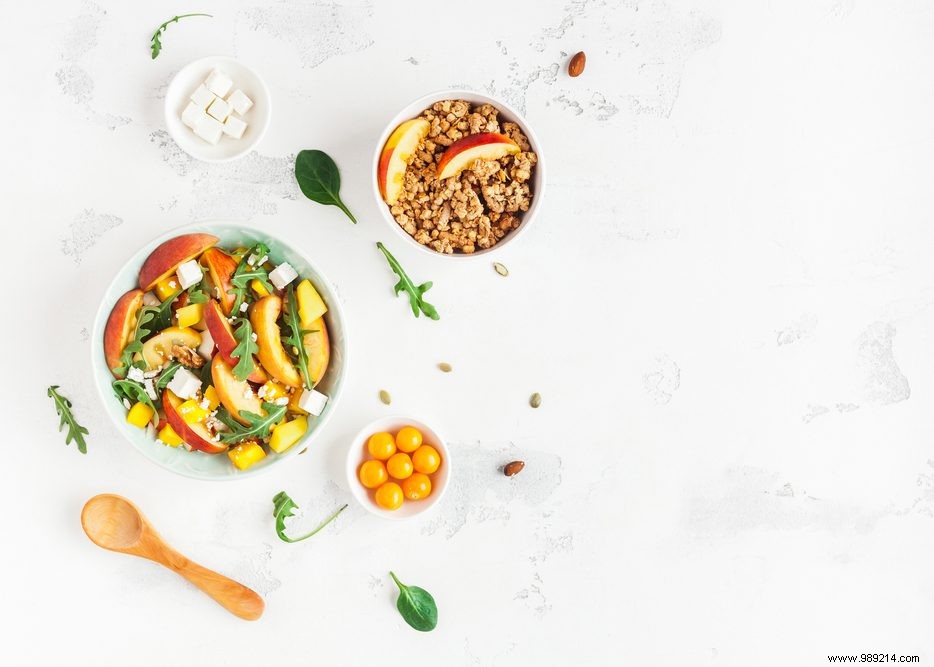
Struggling to identify truly healthy foods? It's easier than you might think. Our checklist, drawn from the Nutrition Center's updated Wheel of Five, offers clear, evidence-based guidelines for balanced nutrition. Variety is key—use this to build better habits.
The Nutrition Center refreshed its Wheel of Five over a year ago to promote healthy eating. Start with this practical guide.
What counts?
Fresh or frozen fruit, fresh vegetables, pre-packaged refrigerated veggies, frozen, canned, or jarred vegetables.
How often?
Fruit up to twice daily. Vegetables with every meal, as much as you like.
Serving size
80-100 grams equals one fruit serving—like three tablespoons frozen fruit, an apple, or two kiwis. A banana averages 150 grams, so pair it with a kiwi. Aim for at least 200 grams of vegetables daily.
What to watch for
Prioritize fruits and veggies—they should form the largest part of your plate for optimal health.
What counts?
Whole-wheat bread or products with at least 25% whole-wheat flour, like crackers; whole-grain breakfast cereals, pasta, and potatoes (including sweet).
How often?
Enjoy daily, but check cereals for added sugar (cane sugar, honey), sugared fruit, coconut, salt, or fat.
Serving size
At least 90 grams of bread, cereal, pasta, or potatoes per day.
What to watch for
These provide essential carbs for sustained energy, ideal before workouts.
What counts?
Eggs; fresh, steamed, smoked, or frozen fish; white or red meat.
How often?
Fish weekly, preferably oily types like salmon or mackerel. Limit red and processed meats. Eggs daily if desired.
Serving size
100 grams fish per person. Max 500 grams meat weekly (300 grams red, including sandwich meats). Nutrition Center suggests 2-3 eggs weekly, adjusted to your diet.
What to watch for
What counts?
Fresh or canned legumes; plant-based substitutes like tofu; unsalted nuts; dairy such as cottage cheese or low-fat cheese.
How often?
Legumes weekly; daily unsalted nuts/peanut butter; one dairy serving daily.
Serving size
15 grams nuts (or paste); dairy in a standard bowl; thin cheese slices (goat, mozzarella over brie). At least 200 grams legumes weekly. Vegetarians: follow meat/fish guidelines for substitutes.
What to watch for
Weekly legume average keeps salt in check—opt for low-salt canned, or cook fresh/dried. Spread intake across days.
What counts?
Soft tub margarines; oils like rapeseed, sunflower, or olive.
How often?
Daily as needed.
Serving size
No more than 15 grams—use sparingly for cooking.
What to watch for
Skip butter, hard margarines, or solid frying fats, which are higher in unhealthy saturated fats.
What counts?
Water, tea, filtered coffee (no sugar); green/black tea; espresso. Better filtration reduces LDL-raising cafestol.
How often?
Daily—skip sodas and juices.
Serving size
3-4 large teas; 1.5-2 liters water; up to 400mg caffeine (3-4 coffees, aim lower).
What to watch for
Check labels for sugary drinks. Limit alcohol to one glass daily max, or none.
