
Most mornings start the same: a refreshing shower to kick off the day. But this ingrained habit might be doing more harm than good.
Science shows that frequent washing strips away the skin's natural protective sebum, leaving it dry and vulnerable to bacteria and microbes.

Overzealous hygiene, especially in intimate areas, can backfire. "The human body is a well-oiled machine," explains dermatologist Brandon Mitchell from George Washington University. "We wash far too often." Showers don't kill germs, and antibacterial products are largely ineffective.
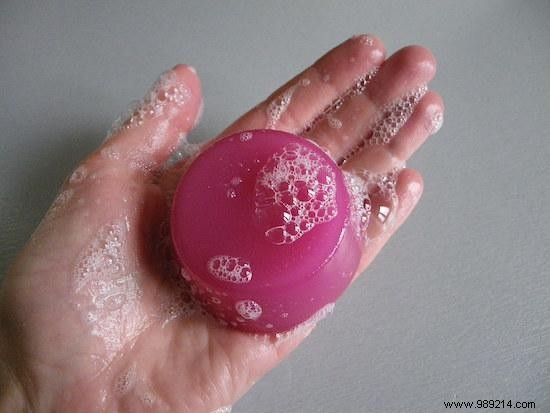
Classic soap outperforms fancy shower gels. Many antibacterial options contain triclosan, which triggers allergies, fosters antibiotic resistance, and acts as an endocrine disruptor—harming health and the environment.
The cosmetics industry fuels our obsession with daily showers through clever marketing, pushing products that promise purity but disrupt natural skin balance.

Skip full-body showers daily. Focus on armpits, buttocks, and lumbar region. "The rest doesn't need frequent washing," Mitchell advises. A thorough clean once or twice a week suffices, preserving beneficial bacteria that bolster immunity.
Dry skin worsens with over-washing, creating crevices for bacteria. Pat dry gently post-shower to prevent irritation.

Dead skin cells aren't enemies—they shield against chemicals. Skip aggressive scrubs and hot water, which deplete moisturizers and irritate skin. For eczema or psoriasis, reduce showers and chemicals.

Body odor signals compatibility in attraction, per studies. Those showering less often fare better romantically. Use natural soap for odors.
One family washed only with water for 6 months—no bad smells, acne, or strong intimate odors afterward.
Do you wonder if children should bathe every day? The answer here.

"Dry hair can go two weeks between washes," says Mitchell. For dandruff, twice weekly max. Chemist David Whitlock hasn't used soap in 12 years and reports feeling great.
