Love pasta? Me too! As a budget-friendly staple, it delivers impressive, lesser-known health benefits. Despite its bad reputation, spaghetti and pasta shells support overall wellness—as my registered nutritionist confirms.
They help you stay in shape and act as a true weight-loss ally, contrary to popular belief. Packed with essential nutrients, pasta nourishes the body. Enjoy it regularly in moderation, not excessively.
Discover 7 evidence-based reasons to include pasta in your diet. Watch:

Concerned pasta causes weight gain? Think again—it's a myth. Eliminating starches from diets is unnecessary.
Pasta is low-calorie: only 120 calories per 100g cooked.
Research from Italy's renowned IRCCS institute shows moderate consumption correlates with lower BMI. Italians, who eat far more pasta, maintain slimmer figures on average. The key? Portion control and skipping heavy creams.
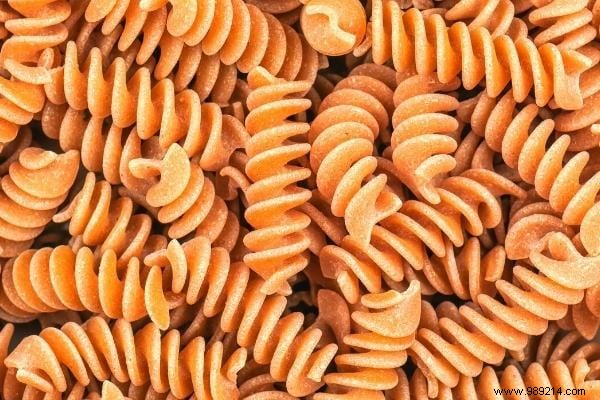
Pasta excels at supporting healthy digestion, thanks to its high dietary fiber content—crucial for gut health.
Whole wheat varieties offer 6.6g fiber per 100g; ancient grains like spelt provide up to 11g. These fibers regulate bowel movements, lower cholesterol, and reduce cardiovascular risks. Compelling reasons to add it to your plate.
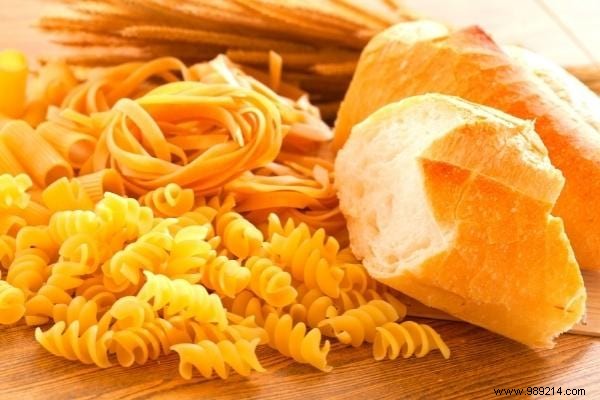
Rich in complex carbs, pasta has a low glycemic index, keeping blood sugar stable post-meal.
Unlike simple sugars that spike insulin and promote fat storage, pasta's slow-release energy minimizes insulin surges. Swap in more pasta, crowd out fast sugars, and store less body fat.

Its slow-digesting carbs provide hours of satiety, making pasta ideal for athletes pre-workout.
No mid-afternoon slumps or snack attacks. It promotes fullness, reducing temptations for sugary or fatty treats while watching TV.

Pasta combats daytime fatigue with steady energy from carbs and fiber. It's premium fuel for the body!
Loaded with magnesium, B vitamins, protein, and more, it powers you through the day.

Pasta at dinner fights insomnia. Studies show it enhances sleep quality and eases stress.
It aids tryptophan uptake, boosting serotonin and melatonin—mood and sleep regulators. Just 80g plain in the evening works wonders; moderation matters.
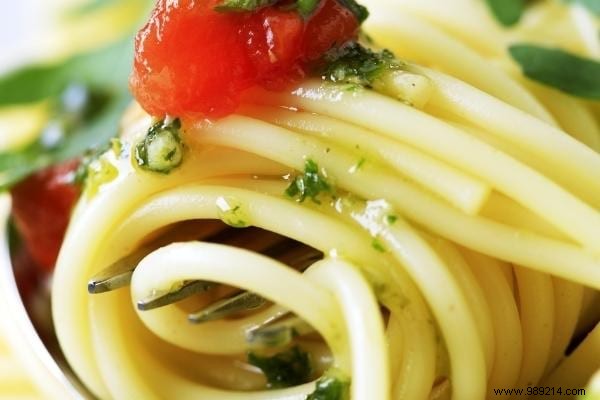
Who doesn't love pasta? It's versatile, quick to prepare, and delicious.
Perfect for busy nights—better than processed meals. Drizzle with olive oil, pair with sauces, or toss in salads for healthy pleasure.
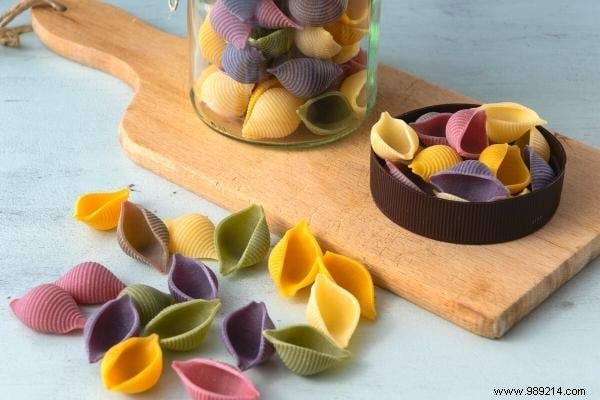
Only natural ingredients: durum wheat semolina, water, and sometimes eggs.
French averages hit 10kg yearly (Italians 28kg). Colors come from spices, veggies, or squid ink—no artificial dyes. Whole grain versions brim with B vitamins, magnesium, and phosphorus.
White pasta tastes milder and lighter; whole wheat is nuttier and darker.
Whole wheat uses the full grain (bran, germ, endosperm); white refines to endosperm only. Calories are similar, but whole wheat packs superior nutrition: more fiber for satiety, cholesterol control, and heart health, plus slower carbs for athletes.
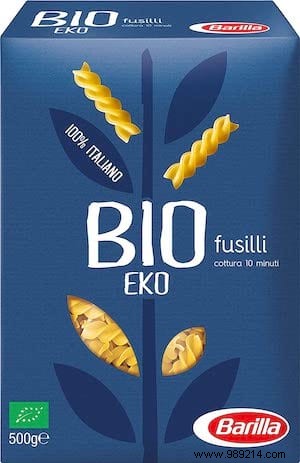
Not all pasta is equal—wheat quality and processing matter. Opt for organic, especially whole wheat, to avoid pesticide residues concentrated in bran.
Next supermarket trip, choose wisely. I recommend Barilla's Organic Fusilli.
