
Tiger Balm, the beloved ointment in its signature red and white jars, has been a staple in homes for generations. Crafted from natural ingredients like camphor, menthol, and essential oils, it's best known for relieving muscle and joint pain—but its benefits extend far beyond.
Rooted in ancient Chinese medicine and trusted by Asian families for over a century, Tiger Balm offers versatile solutions for everyday ailments. We've compiled 44 proven uses based on traditional practices and user experiences. Here's what you need to know:
Developed in 1870 by Chinese herbalist Aw Chu Kin in Burma, Tiger Balm draws from imperial Chinese formulas for pain relief. In 1926, his sons commercialized it, naming it after Aw Boon Haw—meaning "gentle tiger." For decades, it's soothed muscle tension, colds, and headaches in households worldwide.
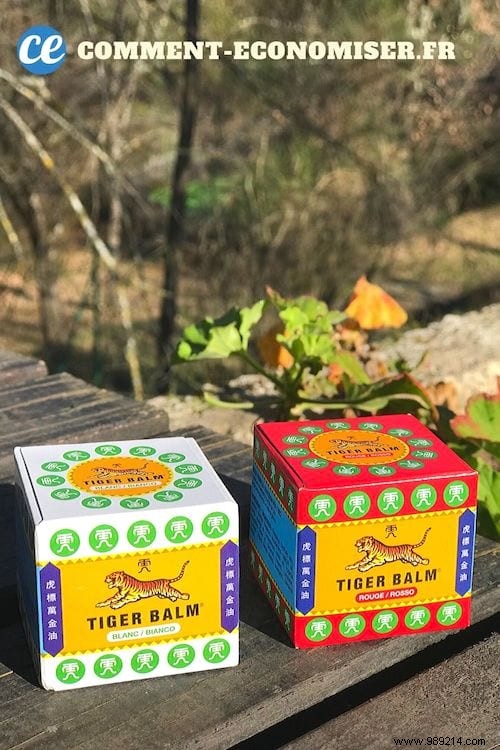
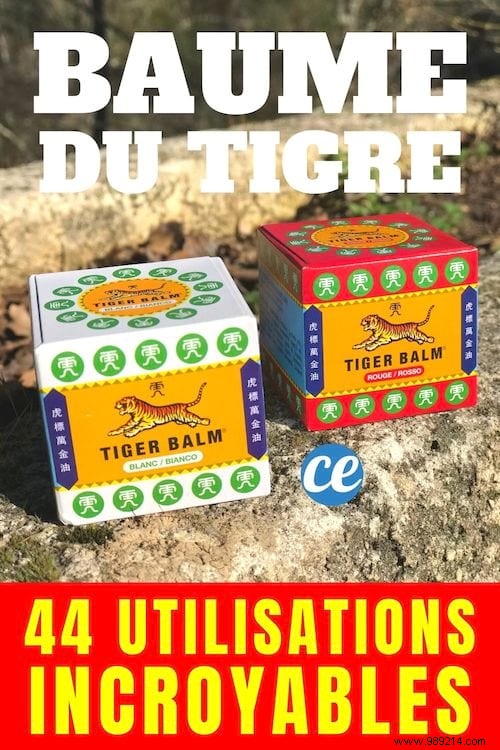
Tiger Balm comes in two varieties: white and red.
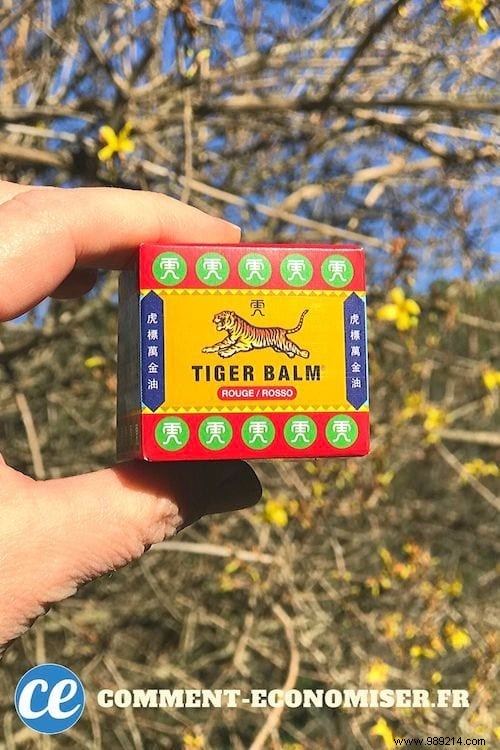
Red Tiger Balm, more concentrated, excels at reducing inflammation and easing muscle/joint pain.
White Tiger Balm targets migraines, colds, nasal congestion, and insect bites.
Both contain 11% camphor (in France), plus menthol, cajeput, clove, and mint oils. White has more peppermint and eucalyptus; red adds cinnamon oil for its hue.
Click here to discover all the differences between White Tiger Balm and Red Tiger Balm.

1. Muscle pain: Red Tiger Balm soothes sprains, sports injuries, or minor accidents effectively.
2. Neck and shoulder pain: Common from poor posture or old mattresses—apply red balm for relief. Maintain good sitting habits with back support.
3. Insect bites: White balm quickly calms itching from mosquitoes, flies, or fire ants (Solenopsis invicta).
4. Sore throat: Gently massage white balm into the throat for natural soothing.
5. Headaches and migraines: Massage a bit of white balm on the forehead to ease tension.
6. Period pain: Apply white balm to the lower abdomen, massage 1 minute, 2-3 times daily. Works for other abdominal aches too.
7. Stuffy nose: Dab white balm under nostrils for natural decongestion via essential oils.
8. Dizziness and nausea: Inhale vapors from an open jar after a long day for quick recovery.
9. Motion sickness: Keep white balm handy for travel nausea in cars or boats.
10. Anti-inflammatory: Red balm aids arthritis, rheumatism, or gout by boosting circulation.
11. Toothache: Dab a tiny amount on the gum with cotton (avoid swallowing) or cheek. Warming oils provide lasting relief.
12. Relieves burns: Use only white balm on minor burns to cool and prevent blisters. Soak in cold water with balm for 3-5 minutes if needed. Seek medical help for severe burns.
13. Cold and flu: Rub white balm on chest, breathe deeply for better sleep and symptom relief.
14. Improves circulation: Red balm warms cold hands/feet in winter by stimulating blood flow.
15. Itchy skin: White balm soothes allergies to food, plants, or perfumes—identify causes to prevent recurrence.
16. Relieves diarrhea: Apply white balm around navel (cover with hand 2-3 min) or on cotton sheet for buttocks (3-5 min). Use cautiously.
17. Sports pain relief: Apply red balm to chest pre-exercise to counter uric acid buildup.
18. Muscle cramps: Rub red balm on a damp towel over cramp site—relief in 5 minutes.
19. Reduces eczema: White balm's moisturizing action eases inflammation and itch.
20. Reduces fever: White balm patches work naturally for adults and kids.
21. Foot mycosis: White balm outperforms many chemical treatments for itchy, peeling toes.
22. Heals minor cuts: White balm instantly eases stinging from paper or knife cuts.
23. Natural mosquito repellent: White balm deters mosquitoes better than DEET, protecting against bite-related illnesses.
24. Nail fungus: Daily red balm applications eradicate fungus thanks to camphor.
25. Organic deodorant: Soft white balm reduces sweat by tightening pores with a fresh scent.
26. Removes warts: Rub white balm daily for 1-2 weeks to reach and eliminate roots.
27. Eliminates corns/calluses: Warm and apply white balm regularly for deeper penetration.
28. Ingrown toenails: Soften skin in warm water, trim, then apply white balm for anti-inflammatory healing.
29. Thai massage: Red balm enhances relaxation in professional spas globally.
30. Anti-stress: Deep inhales from white balm provide instant calm.
31. Better sleep: Dab under nostrils pre-bed for soothing essential oils.
32. Bath oil: Add liquefied white balm to hot baths for cold/flu relief.
33. Reduces stretch marks: Daily white balm fades skin lines affordably.
34. Cracked heels: Soak feet in hot water with balm (30 min) or apply 3x daily for 3 weeks.

35. Eliminates odors: Open jar neutralizes pipe smells or shoe closets.
36. Repels/exterminates termites: Apply white balm to wood—scent deters; fill holes to kill.
37. Removes paint stains: Rub white balm under water to dissolve from skin.
38. Sticker residue: Balm effortlessly lifts glue with a cloth rub.
39. Squeaky furniture: Apply white balm to hinges for quiet lubrication.
40. Essential oil diffuser: Dilute 1g balm in 1L water (oil version best) for custom scents.
41. Pet deterrent: White balm repels cats/dogs from off-limits areas (keep inaccessible).
42. Dog training: Open jar near potty spots teaches cleanliness (out of reach).
43. For horses: Dab low-camphor balm under nostrils to calm males; use on harness (dilute if needed).
44. Cry on command: Actors: tiny dab under eyes triggers tears.
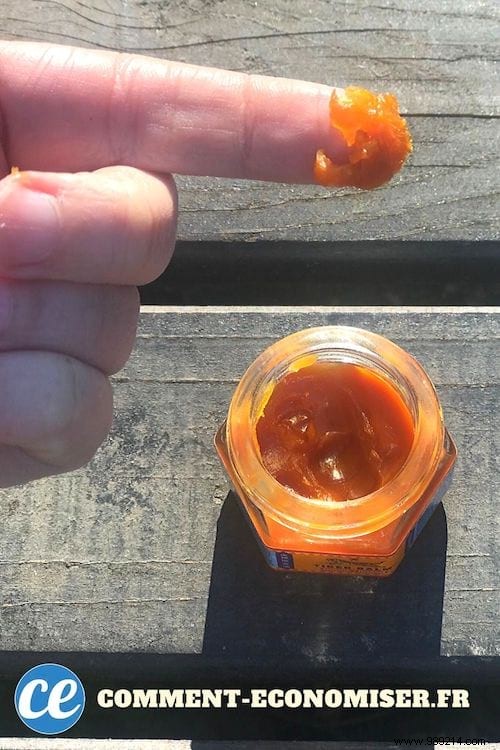
The key to effectiveness: rub briskly to activate, don't just massage.
1. Dab and rub quickly (e.g., edge of hand) until warm.
2. Stop at warmth—let it work.
3. Expect warming then cooling sensation—it's how it penetrates.
4. Wash hands thoroughly to avoid irritation on sensitive areas.
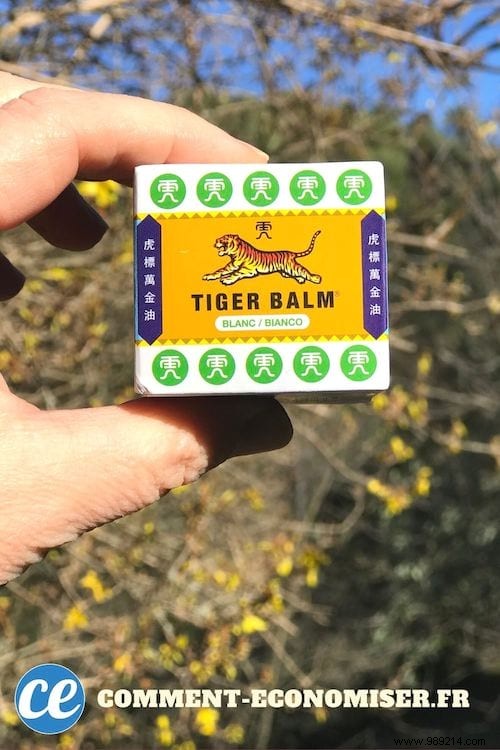
Opt for Singapore's Haw Par brand to avoid fakes. Available at pharmacies, herbalists, or online (top-rated on Amazon). Make your own with our recipe here.

- Avoid in children under 7 due to camphor/peppermint seizure risk.
- Not for pregnant/breastfeeding women.
- Skip damaged/irritated skin, eyes, or mucous membranes.
- Always wash hands after use.
