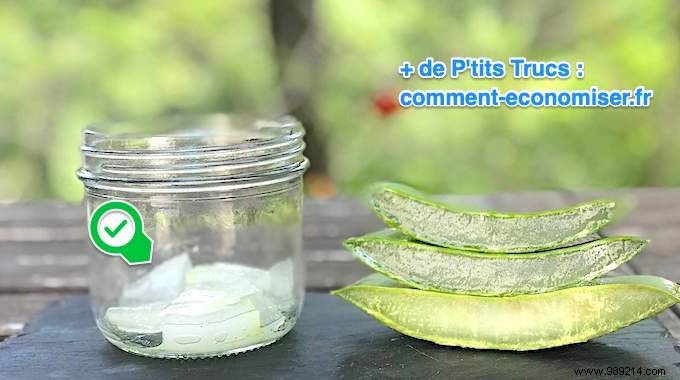
Aloe vera is a powerhouse plant packed with antioxidants and antibacterial properties. Its gel is renowned for soothing minor burns, sunburns, reducing dental plaque, treating cold sores, blisters, ulcers, and even easing constipation.
Store-bought gel can be pricey and often diluted with additives. That's why I've perfected this straightforward, cost-effective method to harvest fresh, pure aloe vera gel directly from your plant. Follow along:
 Contents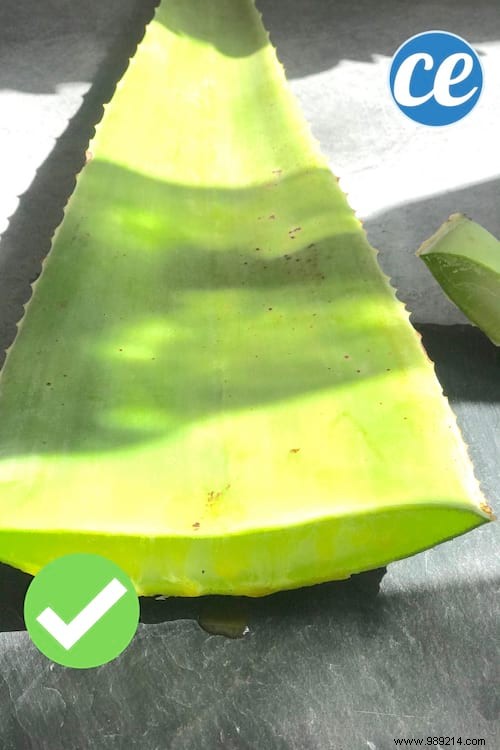
Ensure your aloe vera plant is mature, with leaves at least 20 cm long and thick. Opt for the outermost leaves—they're the oldest, fleshiest, and gel-packed. Use a sharp knife to carefully slice one peripheral leaf at the base.
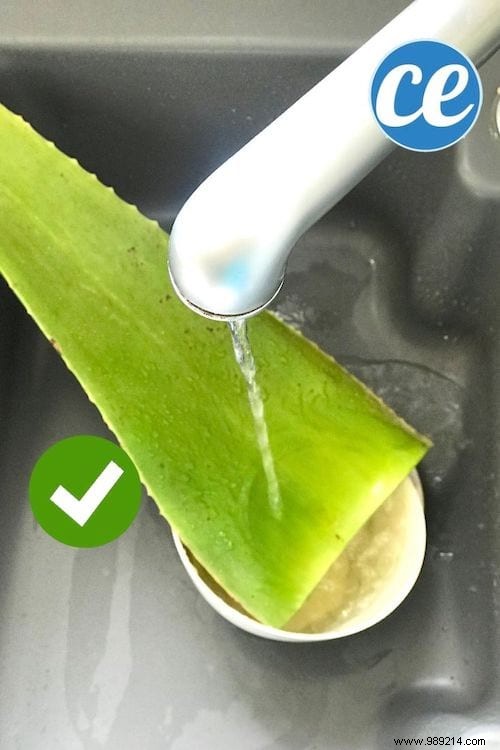
A yellow sap called aloin will ooze out—it's a laxative irritant, not the gel. To separate it from the clear gel:
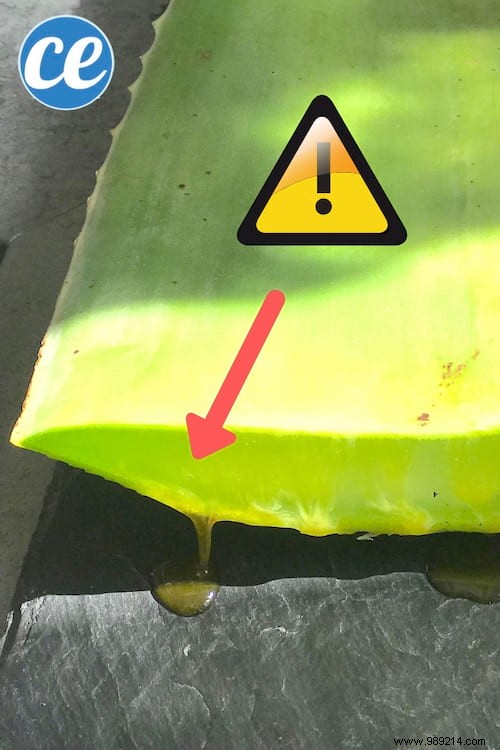
Stand the leaf upright in a sink bowl, cut-end down, letting aloin drain. Rinse thoroughly under the faucet, rubbing gently, and add water to the bowl as needed. Once clear, proceed.
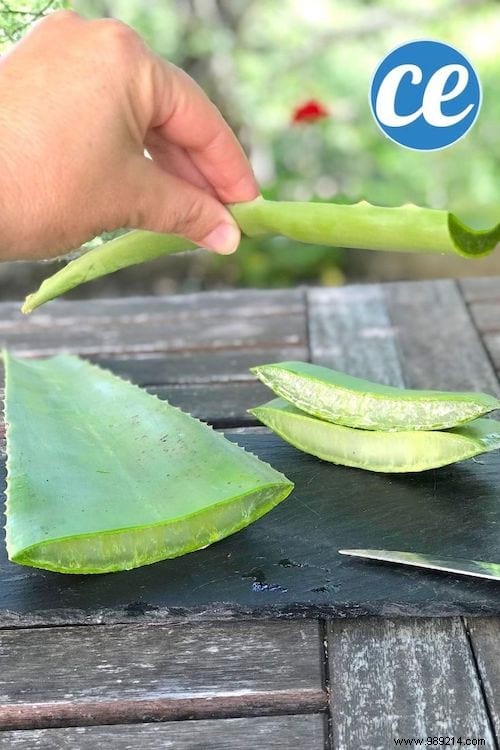
Trim the thin, pointed tip—it has little gel. Slice the leaf into manageable widths if large, rinsing cuts to remove aloin. Dry the edges, then carefully trim the spiky thorns close to the leaf with a knife. Safety first—avoid slips!
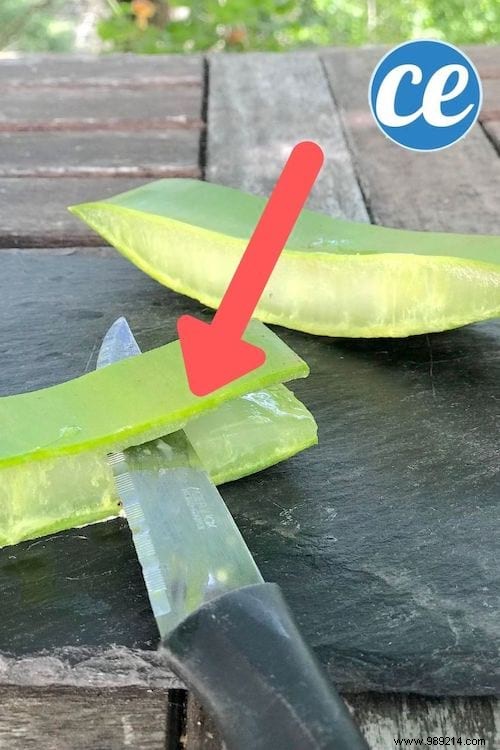
Lay the leaf flat on a cutting board. This step requires precision: Slide your knife blade between the thin green skin and the gel on both sides, peeling it away. A vegetable peeler works well if knives feel risky.
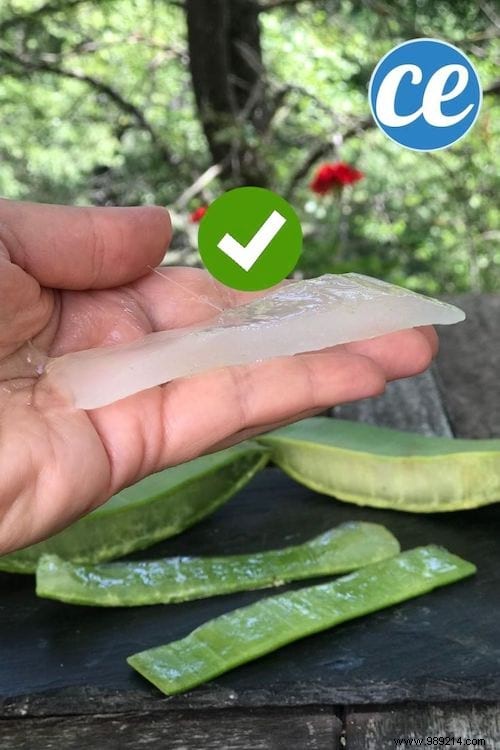
Congratulations—you now have translucent, viscous gel slabs. Pick off any lingering green skin bits. Cube for storage, rinse multiple times under running water to eliminate aloin traces, and scrape remnants from the skins with a spoon. Transfer clean cubes to a glass container, avoiding rinse water.
- Harvested leaves won't regrow, but trimming just one allows the center to produce new growth.
- Fresh gel is sticky with a unique scent—not for everyone!
- For convenience, opt for high-quality store-bought gel like this recommended option.
