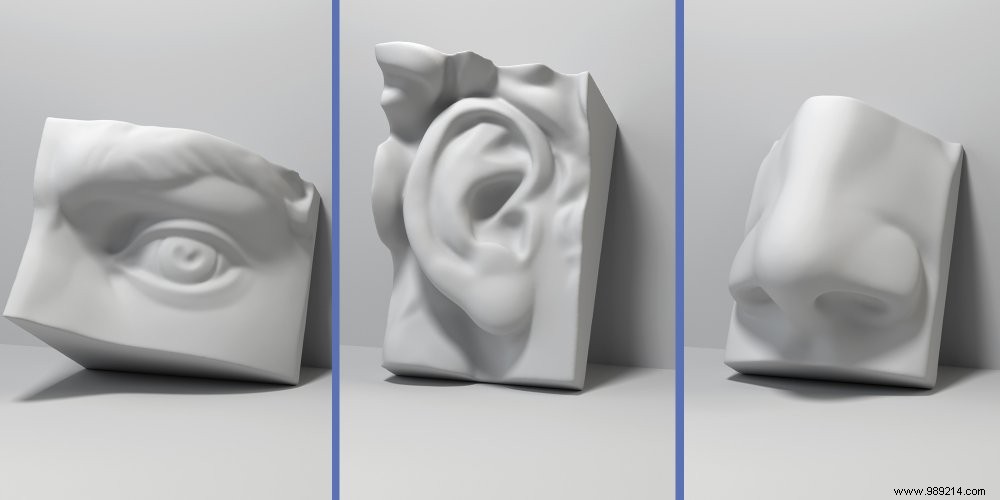
 These small orifices—eyes, ears, and nose—often accumulate unsightly secretions like eye gunk, earwax, and mucus. While tempting to dig them out, improper cleaning can lead to infections. Drawing from advice by ophthalmologists and ENT specialists, here's how to adopt safe hygiene practices.
Eye crusts, earwax, and nasal mucus may disgust us, but aggressive cleaning with the wrong methods can harm delicate tissues. Let's replace bad habits with proven, gentle techniques recommended by medical experts.
Never skip nighttime makeup removal, as it dries out your eyes. Contact lens wearers: Don't exceed expiration dates, sleep in lenses, shower with them, moisten with saliva, or neglect case cleaning—these habits risk serious infections or even vision loss. Your eyes deserve careful handling.
Video of the day:
In the evening—especially in polluted areas or during allergy season—gently wipe with sterile compresses and single-use 0.9% saline solution. Wipe from the inner corner outward toward the ear in one motion to prevent germ spread and lacrimal sac blockage. Use a fresh compress each time and discard unused saline to maintain sterility.
For makeup removal, use a two-phase cleanser (aqueous and oily) to dissolve mascara, eyeliner, and pencil without irritating tear glands.
Follow lens care instructions precisely. Daily disposables, monthlies, or annuals all build up deposits over time, reducing comfort and tolerance. Clean cases with designated solutions, never tap water.
Earwax may look unappealing, but this waxy, yellowish substance is protective: it's bactericidal (inhibiting Staphylococcus aureus and Candida albicans), waterproofs the canal, and traps dust or insects.
Your nose filters, warms, and humidifies air—far superior to any gadget. But mucus and boogers build up inside.
Opt for single-use, unscented, uncolored, chlorine-free paper tissues.
Expert sources: Dr. Xavier Subirana, Vice-President, National Union of Ophthalmologists of France (SNOF); Prof. Laurent Kodjikian, President, French Society of Ophthalmology (SFO); Dr. Nils Morel, ENT specialist and President, National Union of ENT and Cervico-Facial Surgery Doctors (SNORL).
Read also: